

Small tooth flaws such as chips, uneven edges, or small gaps are common and can happen for many different reasons. Even when the damage is minor, it can affect how a tooth looks or how comfortable it feels. Dental bonding is one option that may help improve both the appearance and function of a tooth in these situations. For many patients, bonding can be a practical way to address smaller concerns without making treatment feel more complicated than it needs to be.
What Dental Bonding Is Used For
Dental bonding is often used for small chips, worn edges, slight gaps, uneven shapes, or other minor cosmetic improvements. It can help refine the appearance of a tooth, improve smile balance, and smooth areas that may feel rough or look out of place. In some cases, bonding can also help restore comfort if a chipped edge is catching on the tongue or affecting how the tooth feels. Because it is typically used for smaller repairs, bonding is often considered when patients want a more conservative way to improve a tooth’s appearance without changing the entire tooth structure.
How Dental Bonding Works
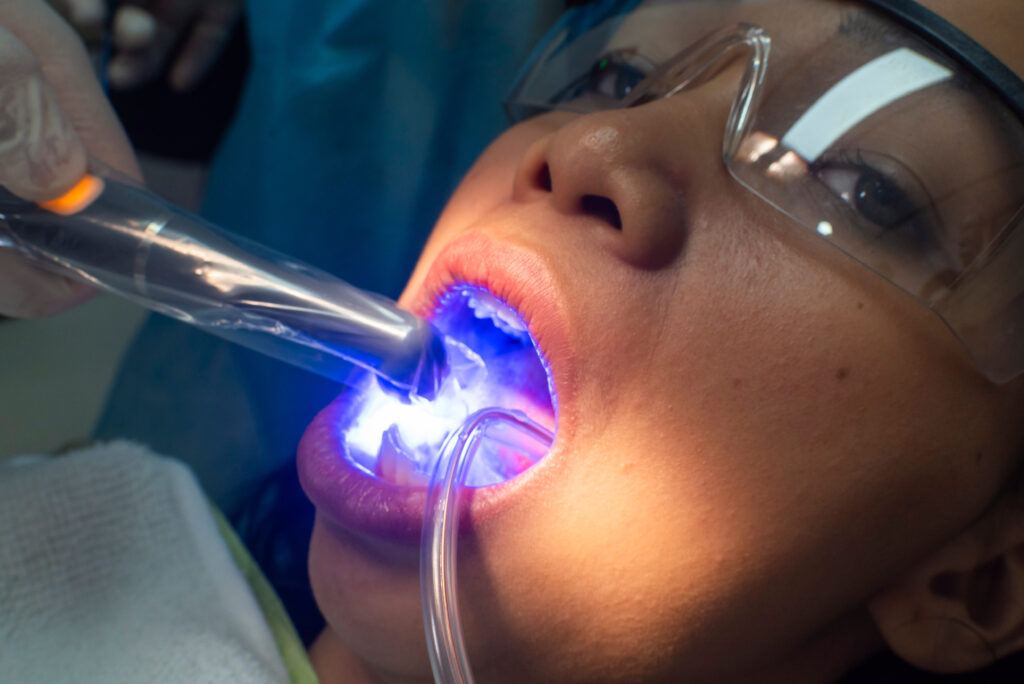
Dental bonding uses a tooth-colored material that is applied directly to the tooth and shaped to blend with the surrounding smile. The goal is to improve the look, shape, or edge of the tooth in a way that feels natural and balanced. For small repairs, treatment is often more straightforward than many patients expect. The exact approach depends on the size of the repair, the location of the tooth, and the result the patient hopes to achieve. Some bonding treatments focus mostly on appearance, while others also help improve comfort or restore a more even edge. A professional evaluation helps determine how bonding can be used most effectively and whether it is the right fit for the specific concern being addressed.
When Bonding May Be a Good Option
Bonding may be a good option when damage or cosmetic concerns are relatively small. It is often considered for patients who want to improve a chipped edge, close a small gap, or refine the look of a tooth that feels uneven. In many cases, bonding can provide an effective improvement for minor concerns without requiring a more extensive approach. At the same time, not every tooth is best treated the same way. Some situations may call for a different solution depending on the tooth, the extent of the concern, and the patient’s goals. That is why an evaluation is important before deciding on treatment.
At King East Dental in Stoney Creek, the team helps patients explore practical options for small tooth repairs with personalized guidance that supports both comfort and smile appearance, making it easy to book your consultation and find out whether dental bonding is the right fit for your needs.